

Mailing List
Sign up for our mailing list to get latest updates and offers.

Mount Everest is located in the Himalayan Mountain range. This article answers everything you want to know about hiking to Everest camp. You'll find it way up at 5,364 meters high. From there, you can see a bunch of huge mountains over 8,000 meters tall, like Lhotse, Nuptse, Pumori, and Lobuche.
The pretty rivers and snowy mountains light up the scene. The famous path through Khumbu Valley shows you the world's tallest mountains. Sherpa villages near snowy peaks wait for us with amazing views. The Mount Everest base camp trip is the best place to hike in the Himalayas for the most fun and excitement on these trails. This hike aims to teach you about Nepal's culture and show you the world's highest mountain, and our team is here to make your trip even better.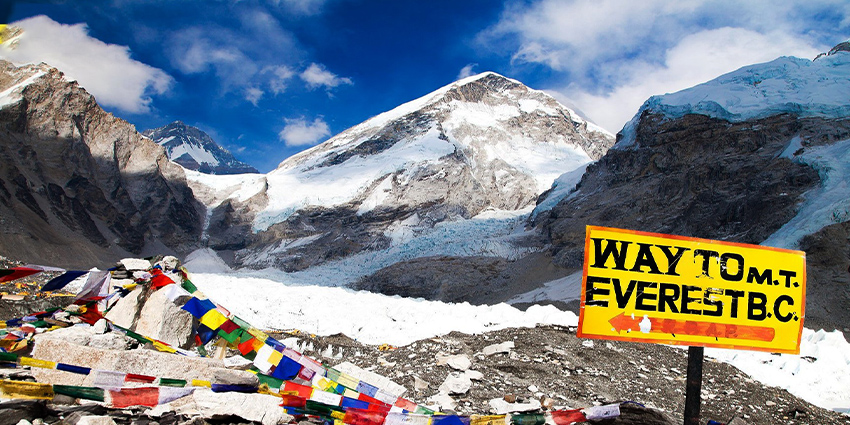

The 5,364m Everest base camp trek follows a famous path where the scenery and friendly Sherpas leave a lasting impression. You'll walk among giants pushing your mental limits as you see high mountain lakes and cloudy rivers.
If you visit Nepal in spring, you'll also spot pretty green valleys full of purple flowers. Life's all about these moments.
The Everest Base Camp Trek in Nepal is one of the most popular adventure spots worldwide. Booking this trek means aiming high for your vacation dreams. It's the kind of trip that makes your holiday wishes come true in the sunshine. The amazing landscape is a sight to see. The Namche Bazaar welcomes us. It is right after Sagarmatha National Park. Namche Bazaar is known as the main trading point in Everest. It is also called the first acclimatization destination.
We then continue the trek to Tengboche after a day of acclimatization. Tengboche is a local municipality. It is at a height of three thousand meters. You'll see a well-known Buddhist monastery known as the Tengboche Monastery. From the Tengboche monastery, we will head to Dingboche and then eventually to Lobuche.
A peaceful view of other peaks such as Lhotse, Nuptse, Makalu, Cho Oyu, Ama Dablam, and many more mountains fill our hike. You’ll be welcomed by the sight of rural communities, their cultures and traditions, the beautiful forests, the farmlands, the wildlife, and the plants.

Finally, after a long hike through Gorak Shep. We keep walking alongside Khumbu Glacier. By the end, we reach Mount Everest Base Camp. The Khumbu Glacier is the world’s deepest Glacier. It can be seen from the Everest Base Camp. The white of snow-capped mountains glows in the sun almost like they were made up of jewels.
The cool breeze guides us back to the Gorak Shep and we descend to Phreiche village. Following our previous route we head back to Tengboche, treading across lush forests and gravel paths, and continuing to Namche.
The trip ends with our return to Lukla. Finally, a flight back to Kathmandu completes the two-week journey.

The Everest base camp trek’s total cost can change with the number of people in the group. It can also change with the total time of the trek. Normally the price of a 12-14 day Everest Base Camp trek can go from 1,490 US dollars to 2,500 US dollars.
This includes the cost of permits, stays, food, and travel. Modified/ Premium packages will cost more money whereas the standard package listed below costs relatively cheap. A guide and a porter will increase the cost.
Our guides will provide you with the best services. They help you get through the trek easier. It costs $25-$30 per day for a trained guide. A porter can cost around $20-$25 per day. The extra cost isn’t without benefit so it is highly recommended you hire a guide and a porter.
Sleeping bags are usually provided in the package if not you can buy them.

Airlines operating from Lukla Airport only allow you to carry 15kg luggage so you will need to pack only things you require. It is recommended to carry clothes suitable for both extreme highs and lows in temperature. The clothes you wear and carry must be easy to carry depending on the season you decide to trek.
Physical fitness is crucial during any treks in the Himalayan region. Cardio training is recommended as it makes your body consume more oxygen which is crucial in mountains.
Hiking training is another requirement for preparation for Everest Base Camp Trek. As the Base Camp lies at a relatively high altitude of 5364 meters, the trail puts you through extreme terrain and a lot of uphill climbing.
You should prepare your hiking gear accordingly. Train regularly by going on small hikes and getting used to using your gear. Bring stuff like hiking boots shoes for trekking, and poles for trekking, etc.
Think about your mental readiness before you hike. One big thing to consider is getting used to the place and why it matters. You need to adjust to the weather and height to avoid getting sick. You have to stop at Namche Bazaar when you go through this point.
Initially, you will need a valid Nepali visa and passport and passport-size photos for identification. Other permits that you will require are TIM cards and National park permits. If you do not know how to acquire these permits, do not worry as these are included in the Everest Base Camp trek packages.

The Everest region is filled with a lot of beautiful scenery. It has captivating experiences that you will not find anywhere else in the world. The sherpa culture embedded throughout the Everest region provides a further sense of immersion in the culture and tradition of the Everest region.
Kala Pathar is one of the major attractions of the trek. It is renowned as the best view over Everest. It is a lookout point lying above the ridges of Ghorak shep. Ghorak shep is a sherpa village settlement that lies along our trail hoisting its own cultural and traditional beauty along with the beauty of the mountains surrounding it.
The plants and animals surrounding the Everest region are almost magical. Mountains like Everest, Lhotse, Nuptse, Ama Dablam, and many others border us during our trek. The terrain is mostly flat and the accommodations range from teahouses to guesthouses. Our guides are very familiar with the region, they will ensure complete hospitality and make sure the accommodations are comfortable.
Altitude sickness is common at higher altitudes. You should be aware of any difficulties you may be facing during the trek. Our guides and porters are well-equipped and know the best course of action for you. Some common symptoms of altitude sickness are
Please be mindful of the following guidelines during the trek:
Acclimatization: Resting and acclimatization stops have been planned throughout the trip to help our bodies adapt to varying oxygen levels, preparing us for higher altitudes. While acclimatization is necessary it is also necessary to keep your muscles in good shape. Short hikes are fine during the acclimatization periods.
Hydration: Water is very important to prevent dehydration. It is important to reduce the danger of acute mountain sickness. Stay hydrated as much as you can. Avoid alcohol and coffee-like drinks.
Diet: Maintaining a balanced diet is essential to prevent altitude sickness. Avoiding fatty meals and incorporating foods rich in carbohydrates can aid in oxygen consumption.
Rest and Pacing: Taking breaks and pacing yourself according to your physical strength during long hikes is important to manage oxygen consumption effectively.
Some sustainable practices you can follow are:
In the end, it is essential to leave a good mark behind.
As long as you stay true to your route, you will successfully be able to trek to the Everest Base Camp. Make sure to make the most out of this thrilling journey and keep in mind to rely and trust upon your guides if any emergency comes to pass. The Everest Base Camp trek is one of the most ethereal and mind-bending experiences you may ever experience, and we are here to help you navigate your way to live out this experience on the highest level.
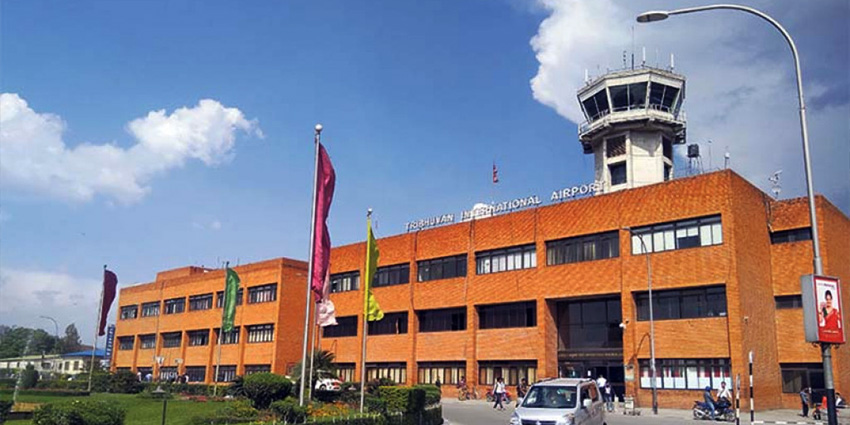
The packages include a team member who will pick you up at the Tribhuvan International Airport. They will drive you to your hotel. Tourists tend to settle down at Kathmandu for day one to prepare for the flight to Lukla. Adventure alternative is a popular accommodation for climbers and trekkers in Kathmandu.

As mentioned in the overview above the flight to Lukla usually takes around 30 minutes, but this can change due to weather conditions which changes it to an around 6-hour drive to Ramechhap and a 20-minute flight to Lukla which is the safer option. During the daytime, the flight to Lukla is prohibited as the Tribhuvan International Airlines Authority considers this an unsafe option. Another reason for this change is due to the aircraft traffic during peak season.
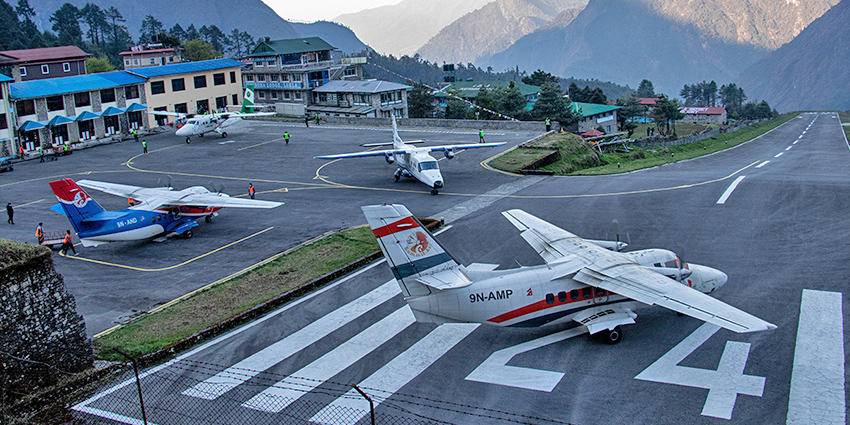
On the third day, we will start with a 6-hour trek (4.5 miles/7.4 kilometers) to Namche Bazaar along the Dudh Koshi River and the calming view of pine forests. This route has an abundant amount of tea houses. Namche Bazaar is popular for its variety of foods and souvenirs. This additional trekking gear or supplies can be bought here too. There are also internet cafes and local shops selling imported and local goods. We will settle there for the night.

Namche bazaar is the main spot to adjust to the climate. It gets you ready for the rest of the hike. You can spend this day checking out Namche bazaar and walking a bit to Hotel Everest View. From there, you can see Everest and other big mountains like Lhotse(8841 meters) and Ama Dablam(6812 meters). A visit to some Sherpa villages Thame, Khumjung, and Khunde which are a few hours away are also good options to pass the day. It can be seen as an opportunity to understand their rural lifestyle.

We'll leave Namche bazaar and hike to Tengboche. We'll follow Imja Khola valley and see Ama Dablam and Kangtega mountains. Snow-covered Everest and its big neighbor Lhotse, will fill our view. The hike takes about 6 hours (5.7 miles/9.2 kilometers). Tengboche Monastery is super popular in the area. It sits at 3,867 meters and is the biggest in the Khumbu region. The view of Ama Dablam in the background looks like a painting that's come alive. It's super important to Buddhist folks. This spot also hosts the Mani Rimdu festival, which is another cool thing to see. We're gonna crash here in Tengboche for the night.

The hike to Dingboche is pretty awesome, with lots of trees and green stuff. We'll have to go over the Imja Khola while the big mountains shine behind us. The path goes through Pangboche and then down to the Imja River until we get to Dingboche. This trek is roughly 5 to 6 hours long. The day will end with an overnight stay at Dingboche, also popularly another acclimatization point.

This is the second stop which is crucial for the rapidly traversing climate as we trek towards our end goal. You can hike to Nangkartshang Peak during the hike and get used to the changing altitude while keeping your muscles used to regular hiking.

On the eighth day, we'll hike for another 6 hours to get to Lobuche. This place sits on the side of the Khumbu glacier. The Khumbu Glacier is pretty special - it's the highest glacier in the world. It starts at 7,600 meters up and ends at 4,900 meters. Plus, it's the biggest glacier you'll find in Nepal.

We will finally reach the intended destination on the 9th day from Lobuche to the final settlement on the route known as Gorak Shep and finally get to admire the beauty of the Khumbu glacier and Icefall. It takes about 7 to 8 hours which can be very straining so we will rest there overnight and continue the next day.

We'll start the day by climbing up to Kala Patthar, a popular place that's 5,545 meters high. It gives you the best look at Everest. Lots of hikers have taken cool pictures of Everest from here. After we get a quick peek at Everest, we'll head back the way we came. We'll go down to Pheriche and stay there for the night.

Since trekking downwards is a lot easier, we will trek straight to Namche bazaar which takes around 8 hours. Enjoying the scenic beauty of the distant mountains and waving the Everest Base camp a farewell we will settle at Namche bazaar for the night.

Another day of trekking for 8 hours, we arrive at our starting point, Lukla. The 8-hour trek can get very straining so we will stay at Lukla for another day.

The flight back to Kathmandu is the same depending on the weather conditions. We might take a longer route through Rammechhap or directly fly to Kathmandu. We will stay at a hotel overnight.
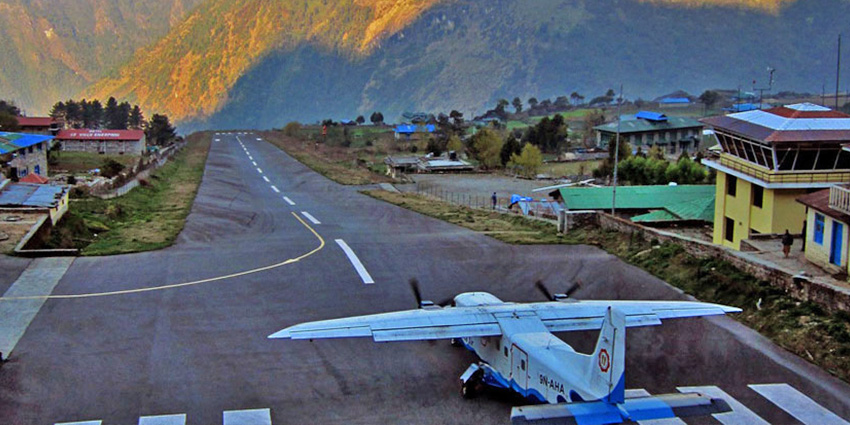
After a long tiring and enchanting experience at the base camp, we will see you off at the airport for the final departure.
No, you are required to have a guide. A guide is recommended for any trek as they are equipped with the knowledge of the region you’re trekking in.
It takes 12 days at minimum to trek the Everest.
Yes, you will need the Sagarmatha National Park permit for trekking and the TIMS card. It is included in the trek package as the company will handle all those details.

Member Since Jun 2024
© 2024 Nepal Adventure Treks. All rights reserved
Nepal Adventure Treks
